


Planting & Bed Installation in Springfield

Beds that belong on your Springfield property

When plantings are chosen for the ground they're growing in, the whole landscape works together.

Springfield terrain sets the terms before a plant goes in

Springfield sits in a part of southwest Missouri where rocky, limestone-influenced ground can sit close to heavier clay or loam on the same property. You might have well-drained rocky ground on one side and heavier, moisture-holding soil not far away. Mature hardwoods cast heavy shade in some spots while south-facing beds bake through July. For a planting and bed installation to last here, each section of the property has to be approached individually.

Benefits That Show

How it works

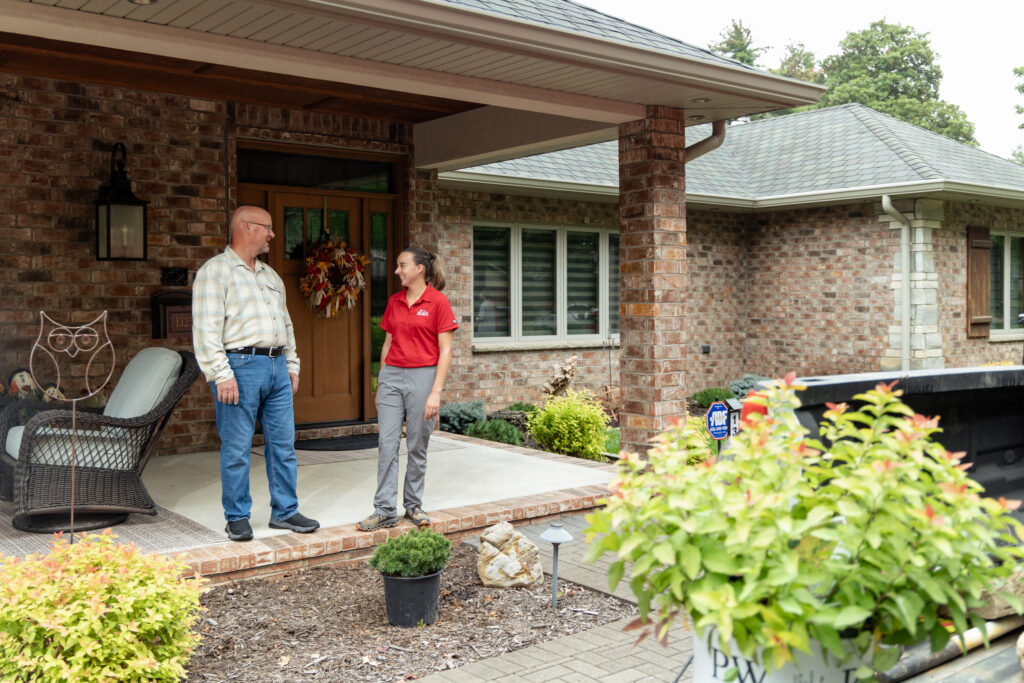
RYAN pro talking with a customer

Property Condition Evaluation

Sun, shade, soil depth, moisture, and grade are evaluated in every area where beds are planned. Springfield lots can even have three or four distinct growing zones on a single property, and ignoring that variation leads to beds where half the plants underperform.

Each bed zone gets a species mix matched to its conditions, drawing from native Ozarks species, proven regional performers, and ornamentals with a track record in Springfield’s climate. The goal is beds that stay cohesive even when sun and shade need different plant material.

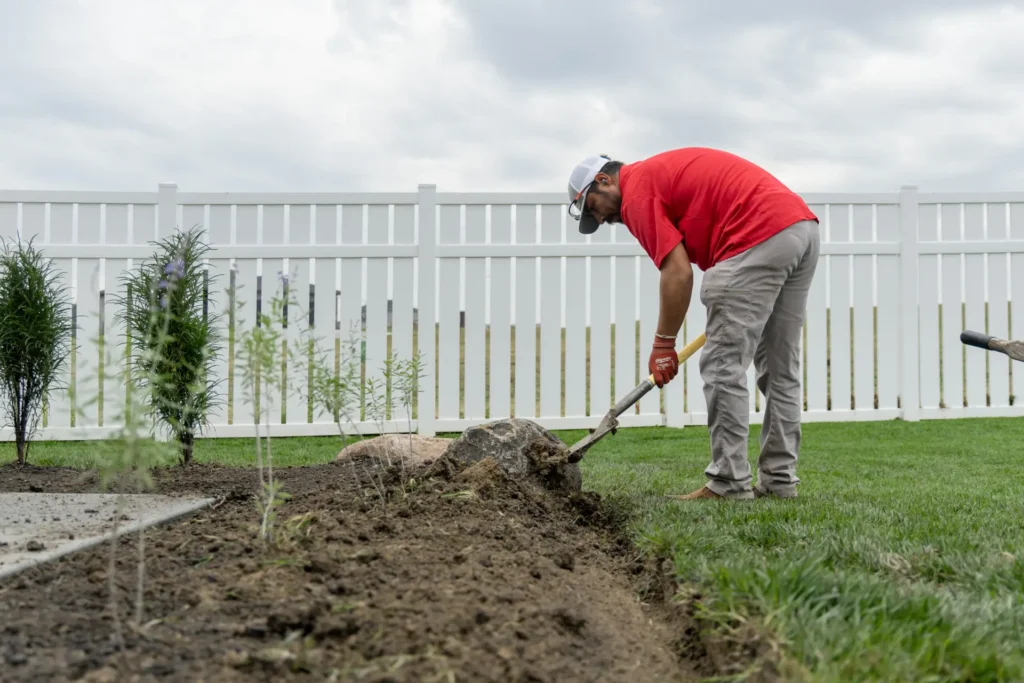
Bed construction addresses Springfield’s variable ground: amending rocky areas where roots would hit limestone within inches, improving drainage in clay sections where standing water rots plants at the base. Shapes follow the lot’s natural contours.

Plants are spaced for their mature dimensions, so beds fill in without overcrowding. Mulch insulates roots through Springfield’s temperature swings. The design reads well immediately, but is planned to look its best in two to three years.

How it works

Lawn Inspection and Consultation

Your dedicated RYAN Pro begins with a thorough inspection of your lawn, evaluating turf type, soil condition, and local climate to understand what your yard needs to thrive. (This could be a good place to add details about soil testing or evaluation methods.)

Dedicated landscape pros

How Springfield's mixed terrain shapes a planting decision

Many Springfield properties sit where open ground and more rugged Ozarks terrain overlap. On some lots, shallow soil over fractured limestone shows up in one area while deeper clay or loam appears in another, so the planting plan has to account for both.

Getting this right means your beds contribute something real to the property as the plantings grow into their spacing and root systems lock into the soil.

RYAN pro speaking with a customer

Five-star landscape maintenance

Our landscaping customers say it best.

ryan pro arriving at a house

Want plantings that fit your Springfield yard's conditions?

Your property has its own combination of soil, light, and terrain. A consultant walks the property with you and develops a plan you can see before anything is installed.

Planting & Bed Installation FAQs

Beds over shallow rock are built up with brought-in soil that gives roots adequate depth. The design accommodates the rock layer and preserves natural drainage patterns.

Native shrubs and shade-tolerant perennials that evolved under the Missouri hardwood canopy perform well in low light. Deep shade from evergreens calls for different species than the filtered light under deciduous trees.

Bed placement and shape follow the property’s contours, with extra measures to hold soil on sloped sections. Mulch type and depth are adjusted for steeper areas.

Both work well. Spring gives a full growing season for root establishment. Fall takes advantage of cooler air and warm soil with less heat stress.

Professional installation starts with grading, soil preparation, and drainage. Proper spacing and species selection based on measured conditions produce beds that improve over time.