Landscape Design in Springfield

Shape how you enjoy your outdoor spaces

You can enjoy your yard more when it’s been intentionally put together. Landscape design in Springfield brings shape, flow, and purpose to your outdoor spaces. You’ll be able to take pride in a finished look that supports your everyday living and improves your property’s curb appeal.

Design that turns vision into livable space

A well-designed landscape does more than look beautiful — it supports how you relax, gather, and move through your home’s exterior. Professional landscape design supports dependable landscaping services by translating your goals into a plan that balances beauty, function, and longevity.

Benefits That Show

How it works

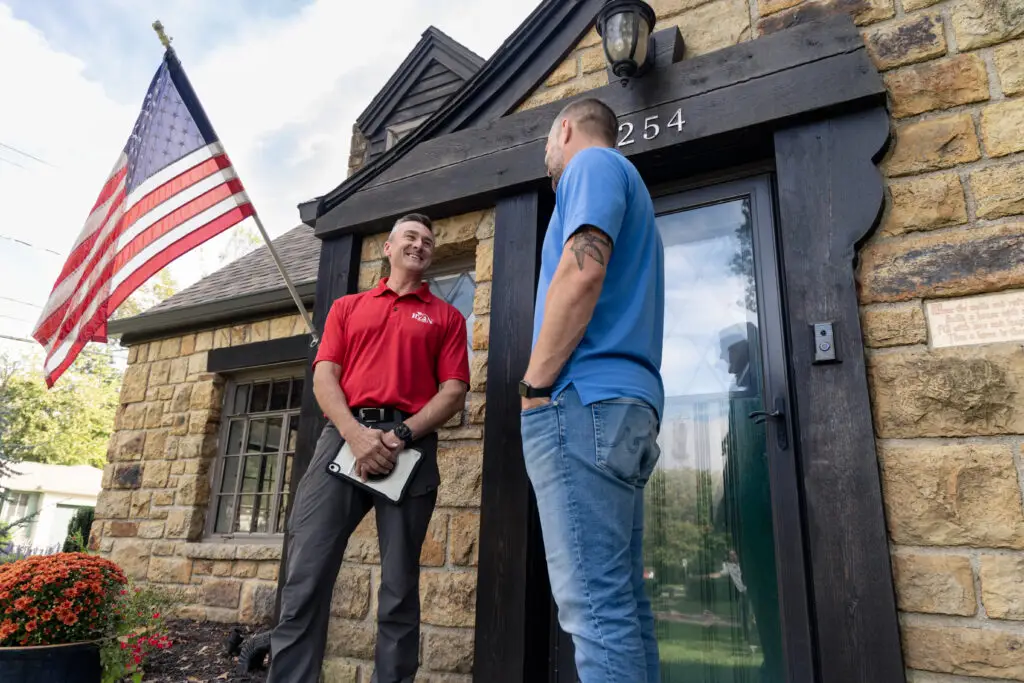
ryan pro talking with a customer

Vision and Site Evaluation

Your property, goals, and existing landscape are reviewed to understand opportunities and constraints.

A tailored plan outlines plantings, hardscapes, and spatial relationships to create balance and flow.

Designs account for construction sequencing, materials, and site conditions for a smooth process.

Designs guide planting, hardscaping, lighting, and finishing details as part of complete landscape services Springfield homeowners trust.

How it works

Lawn Inspection and Consultation

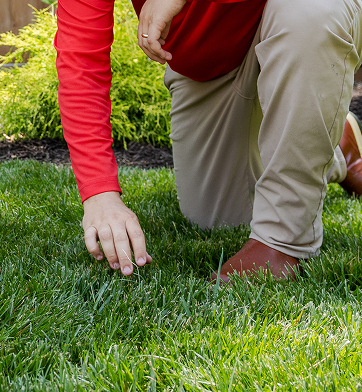
Your dedicated RYAN Pro begins with a thorough inspection of your lawn, evaluating turf type, soil condition, and local climate to understand what your yard needs to thrive. (This could be a good place to add details about soil testing or evaluation methods.)

Dedicated landscape designers

Guidance from concept through completion

Your project is supported by professionals who manage details carefully and communicate clearly throughout the process. This relationship-driven approach, backed by an experienced landscaping company, helps ensure the final result feels cohesive and refined.

Five-star landscape projects

Our landscaping customers say it best.

Ready to reimagine your outdoor space?

Landscape Design FAQs

Our strategy for getting rid of your weeds starts with identification and analysis. We’ll discover what kinds of weeds you’re dealing with, what conditions are making them worse, and what we can do to stop the problem. Soon, you’ll be able to enjoy a weed-free yard, and when any weeds do emerge, we’ll get them fast with targeted services.

Lawns experience the most trouble with weeds during the early spring and throughout the summer. Pre-emergent and fertilizer treatments should be applied before spring to get ahead of the earliest weeds of the season. Spring rain and summer sun provide the perfect food for more weeds to grow, so our RYAN Pros also recommend targeted weed control during these months.

The biggest concern that RYAN Pros have about self-selected products is the potential for them to be used incorrectly or unsafely. Our team will do the research on what products you need and choose highly effective weed control treatments that keep the weeds out.

Our RYAN Pros trust granulate Pre-Emergent, Spring, Pre-Emergent Herbicide, Granular Fall, and Granular Winter fertilizers. Each of these products is tailored for season-specific nutrition to keep your yard in great condition at all times of the year.

Your lawn has different needs, depending on the season. With our seven-step fertilization process, we ensure your yard gets the right nutrition in the fall, winter, spring, and summer, so your turf looks exceptionally green and healthy.

The good news is there’s always a DIY option for Springfield lawn care and maintenance. However, there’s also a difference between DIY and professional service. If you want to ensure the best results for your lawn, trust the team with 30+ years of expertise, Ryan Lawn & Tree.

Lawn growth regulator is an environmentally safe product that slows grass growth.

Growth regulation allows you to spend less time mowing, watering, and bagging clippings and more time enjoying a healthy, green lawn.

Insects, like grubs, armyworms, and chinch bugs, can do significant damage to your yard. Look for brown spots or turf that comes up easily. If you pull up turf and see C-shaped bugs, you may have a grub issue. Put a stop to your lawn’s threats with the leading team for commercial and residential lawn care in Springfield: Ryan Lawn & Tree. Looking to stop bugs like mosquitoes, spiders, fleas, ticks, and ants? Check out our Pest Control services.

Brown spots can be caused by several unwanted culprits, including turf disease, fungus, or insects. We can quickly diagnose your lawn and offer an effective treatment program to nurse it back to health.

Soil analysis is especially useful when you want to understand the condition of your soil to best approach your yard’s care. We’ll take a sample, analyze the results, and create recommendations customized to your lawn.

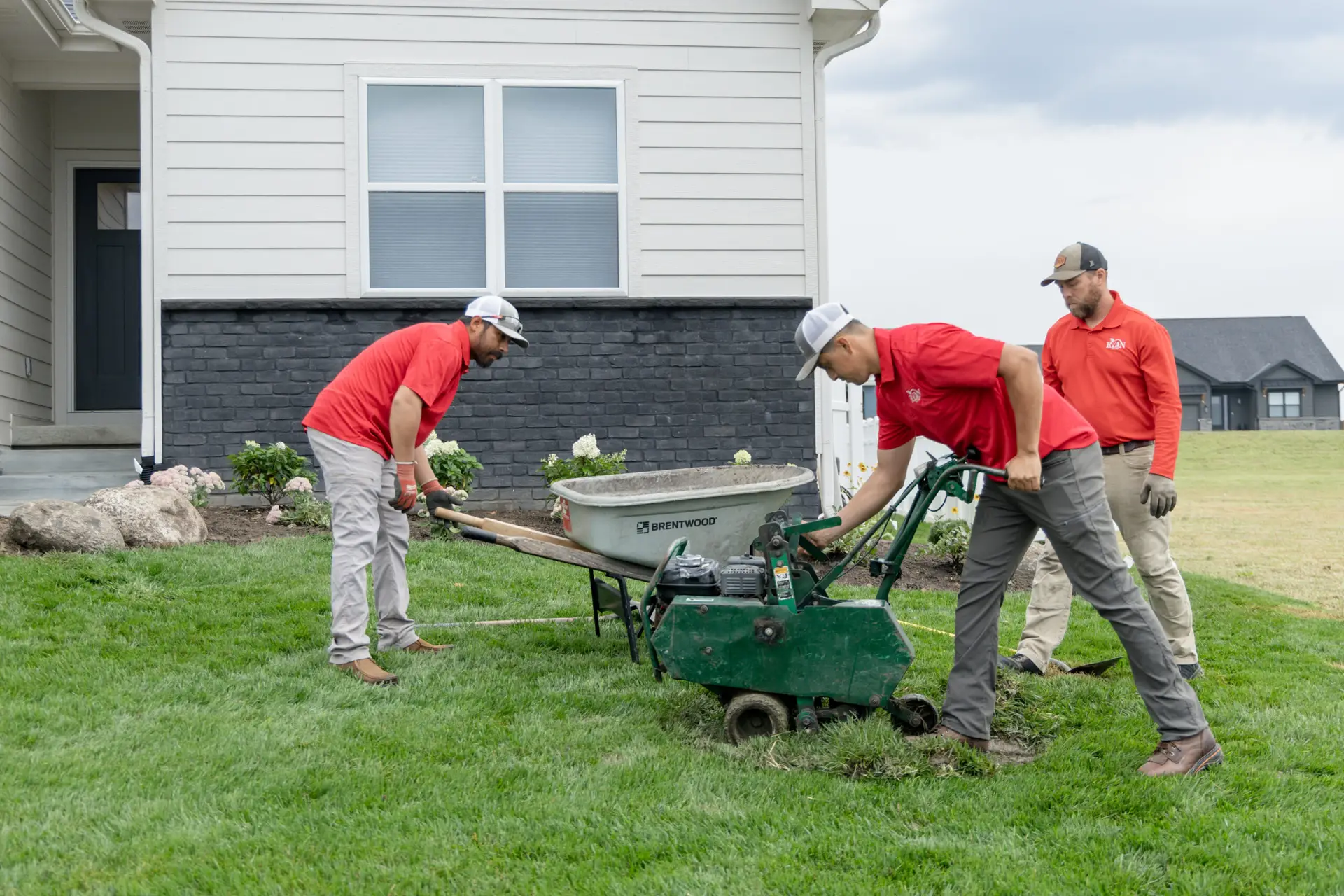
Our local lawn care service in Springfield uses an aerator or verticutter to spread new grass seed to thicken your turf. We also spread fertilizer and plant-based hormones, which encourage the very best results for your lawn.

Look for patchy, thin, brown, dry, or bare spots. Overseeding grows new healthy grass in these trouble areas.

If you have noticed that certain areas of your yard don’t drain well, experience dryness, or the soil is hard and compacted, you may need aeration to help your roots breathe and create more space for water to get into the soil.

Liquid aeration is an effective solution for those who don’t want to see soil plugs on their yard after traditional aeration. In terms of performance, there’s no difference between the two options.

Pruning is essential when you notice that there is a risk to structures near the tree, if its branches were to fall, including on your neighbor’s property. You may also consider pruning if the shade or leaf-drop is preventing you from growing grass in a certain area. Our Springfield arborist service team can do a completely customized inspection of your lawn and yard to determine what’s best for the safety, health, and beauty of your property.

Springfield is prone to heavy storms at all times of the year. When large branches fall, give us a call. We’ll provide a quick quote, take care of your yard, and remove all debris, so you don’t have to be inconvenienced.

Look for these signs: decay, dead limbs, leaning limbs, and roots coming out of the soil. One of our certified arborists can make an assessment and give you honest advice on the best approach for any given tree on your property.

Yes. Our RYAN Pros leave your property clean after our Springfield plant and tree care services have been on the scene.

Your yard should look like the stump was never there! We take great pride in treating your yard like our own, so you should see nothing but soil or grass seed, while the underground part of the stump decomposes, so it won’t grow back.

Yes! You can either grow grass, prep the area for new landscaping, or cover the area with soil. Our work is seamless, so you can start fresh in that area.

Yellow leaves, needle or leaf drop, signs of branch or twig death, pests, browning leaves and needles, small pale orange spots, and black dots on leaves are common signs. If you’re not sure, our RYAN Pros can always take a look and provide a transparent assessment.

Springfield unfortunately offers plenty of opportunity for damage to your plants and trees, including fungi and bacteria, rust disease, iron deficiencies, apple scab, insect damage from Emerald Ash Borers, bagworms, Japanese beetles, and more. When the risk of damage to your plants and trees is high, you should call our RYAN Pros to get an accurate, honest diagnosis and an effective approach to treatment.

The signs of Emerald Ash Borers include:

  • Thinning leaves and branches at the top of the tree.
  • S-Shaped tunnels under the tree
  • D-shaped exit holes in the bark of the tree
  • Woodpecker activity
  • Leafy shoots growing from the tree’s trunk or base

We can quickly confirm the presence of EAB and provide recommendations and treatment to stop the damage, which can be irreversible if left unattended.

When you act early with the right approach, you can get the results you’re looking for. Choose our treatment method to protect your tree for up to two years. After that time, you should consider treating your tree again for further protection.

Look for these signs that indicate your tree needs some good, healthy food:

  • Small leaf or twig growth
  • Dark veins in the leaves
  • Dead branches
  • Yellow leaves

Our signature blend of fertilizer includes exactly what your tree needs to thrive, including phosphorus, nitrogen, and potassium.

We treat the wide range of pests that may show up in a Springfield yard. These include:

  • Mosquitos
  • Fleas
  • Ticks
  • Ants
  • Roaches
  • Millipedes
  • Centipedes
  • Pill bugs
  • Sow bugs
  • Silverfish
  • Crickets
  • Spiders

We’re prepared to handle mice, rats, and voles with our humane and effective Rodent Guard protection. Our expert technicians locate common runways and effectively place bait stations to keep rodents at bay.

We safely ensure deer stay at a distance from your plants and shrubs with Deer Guard, RYAN’s highly effective cruelty-free approach.

Pest activity tends to lessen within a few days of treatment, depending on the type of pest and the level of activity that was present prior to a visit from our team. It may take one or two weeks to see the full impact of our treatments or programs, but we are always happy to reevaluate or revisit your property to quickly get you the results you’re looking for, based on our 100% satisfaction guarantee policy.

Our pest control services are all designed with your family’s safety in mind. Our flea and tick treatments are 100% safe for people and pets. Our Mosquito Guard treatment is also safe and effective. We apply our products externally whenever possible (such as our Home Insect Barrier), which allows you to reduce the risk of exposure on the inside of your home. If you have any specific concerns, including questions about allergies or pets with specific sensitivities, we would love to speak with you about our options.

The purpose of landscape lighting is to add safety and visibility, enhance your property’s beauty, and add value to your home. Our energy-efficient LED lighting is designed with internet-based technology, so you can customize lighting, make adjustments for sunrise and sunset, and more. A five-year warranty is included with your lighting installation. We also provide seasonal inspections, maintenance, and repairs as needed to ensure your lighting is operating at its highest level.

Whether you’re imagining a new patio, outdoor fireplace, firepit, entertainment area, water features, retaining walls, or any other hardscaping project, our team is ready to design and build according to your vision.

Our certified arborists are extremely well-versed in the trees that perform best for yards in our area. There is plenty to consider, including height and shape, what drops from the tree, sun exposure, soil composition, and any other factors or preferences that you may have.

Our team ensures that you’re happy with our tree planting services. As a Springfield landscaping company with International Society of Arboriculture (ISA) arborists on our team, we know we can find the right trees for your yard.

Although the best diagnosis comes from taking a look around your property, there are several questions you should ask after observing your property. If you answer yes to any of these, you should have a RYAN Pro visit your property and make a recommendation.

  • Do you have standing water in the yard?
  • Are there cracks in your foundation?
  • Have you experienced mold issues?
  • Do you see water stains in the basement?
  • Is there soil building up at the lowest points in your yard?
  • Does water collect beneath your downspouts after a rain?

Let us keep you safe and dry by requesting an estimate on our drainage solutions today!

Absolutely. You can lower your water bill by up to 30% with a Springfield sprinkler or irrigation system installation. Future homebuyers may also find this system an attractive selling point. Alongside the financial value of installing a system, you won’t have to worry about watering yourself to keep your lawn green and healthy.

Our Springfield sprinkler system and irrigation installation team is represented by backflow testers, irrigation auditors, and technicians with vast experience designing, installing, maintaining, upgrading, and repairing systems. The results you’re looking for require expertise and a science-based approach, and that’s exactly what our RYAN Pros deliver.

Yes. Our team is happy to take your system to the next level with technologies that include a Wi-Fi smart controller, rain sensors, highly efficient sprinkler heads, and other equipment that optimizes your system. We can also expand your system’s design to target specific areas of your yard that have been underserved.

RYAN recommends above-ground systems get blown out before freezing temps are consistent in your area to prevent breaking, cracking, or freezing your pipes. Prior to mid-November should work well. Below-ground systems should be winterized no later than December 10.

Your sprinkler system is an investment in the beauty of your home. Ensure that this investment is paying dividends for you by taking advantage of seasonal maintenance for proper and efficient performance. Our Springfield sprinkler system and irrigation pros can handle everything from small repairs to maintenance, optimization, and winterization.

Lawn weed control targets common Springfield weeds such as crabgrass, dandelions, clover, and other broadleaf weeds.

Lawn weed control is designed to eliminate weeds while protecting established turf when applied correctly.

Lawn weed control is typically applied multiple times throughout the growing season for the best results.

Lawn fertilization replenishes soil nutrients to support greener color and stronger growth.

Lawn fertilization is usually applied several times per year based on seasonal lawn needs.

Lawn fertilization supports healthier growth, which can help lawns gradually thicken over time.

A lawn growth regulator slows vertical growth while promoting denser, more uniform turf.

Yes, a lawn growth regulator can reduce mowing frequency during peak growing periods.

When applied properly, a lawn growth regulator supports turf health without damaging grass.

Grubs feed on grass roots, which can lead to brown patches and weakened turf.

Insect and grub control is most effective when applied during active feeding stages.

Yes, insect and grub control helps protect both surface grass and root systems.

Lawn fungus is often caused by excess moisture, humidity, and poor air circulation.

Lawn disease may show up as discolored patches, thinning grass, or irregular patterns.

Yes, untreated lawn fungus can spread and cause widespread turf damage.

A soil analysis measures nutrient levels, pH balance, and overall soil composition.

Soil analysis helps identify what your lawn needs so treatments can be more effective.

Soil analysis is typically recommended every few years or when lawn issues continue.

Lawn aeration relieves compacted soil so water, air, and nutrients can reach roots.

Lawn aeration is best done during active growing seasons for your grass type.

Lawn aeration creates temporary plugs that naturally break down and improve turf health.

Lawn seeding helps thicken turf and fill in bare or thinning areas.

Fall is typically the best time for lawn seeding, though spring can also work.

Lawn seeding usually begins to germinate within two to three weeks.

Pruning and trimming improve plant structure, appearance, and long-term health.

Yes, pruning removes weak or overgrown branches that are more likely to break.

Pruning frequency depends on the plant type, age, and growth rate.

Tree removal is necessary when a tree is dead, diseased, or structurally unsafe.

Tree removal is carefully planned to protect your property and surrounding landscape.

Yes, tree removal includes debris removal and cleanup after the work is completed.

Stump grinding removes tripping hazards and helps prevent pest activity around the stump.

Stump grinding typically removes the stump below the soil surface.

Yes, the area can be restored for grass, planting, or new landscaping.

Plant health care focuses on nutrition, insect prevention, and disease management.

Plant health care is tailored to trees, shrubs, and ornamental plants rather than turf.

Yes, proactive plant health care helps reduce stress and prevent long-term damage.

Common signs include leaf damage, discoloration, and reduced growth.

Yes, untreated issues can spread to nearby trees and shrubs.

Yes, treatments are selected based on the plant type and specific issue.

Emerald ash borer is an invasive insect that attacks and kills ash trees.

Emerald ash borer symptoms can include thinning canopies, bark splitting, and branch dieback.

Yes, emerald ash borer treatment can protect healthy ash trees when applied early.

Tree fertilization replaces nutrients that may be lacking in the soil around your property.

Tree fertilization supports stronger roots and healthier foliage growth.

Tree fertilization schedules depend on soil conditions and tree health.

A home insect barrier creates a protective perimeter around your home to help prevent pests from entering.

Home insect barriers help manage ants, spiders, and other common crawling insects.

Home insect barrier protection typically lasts several weeks depending on conditions.

Rodent guard focuses on reducing rodent activity around foundations and entry points.

Rodent guard can be used for prevention or when rodent activity is already present.

Rodent guard treatments are designed to deter rodents safely without harming pets.

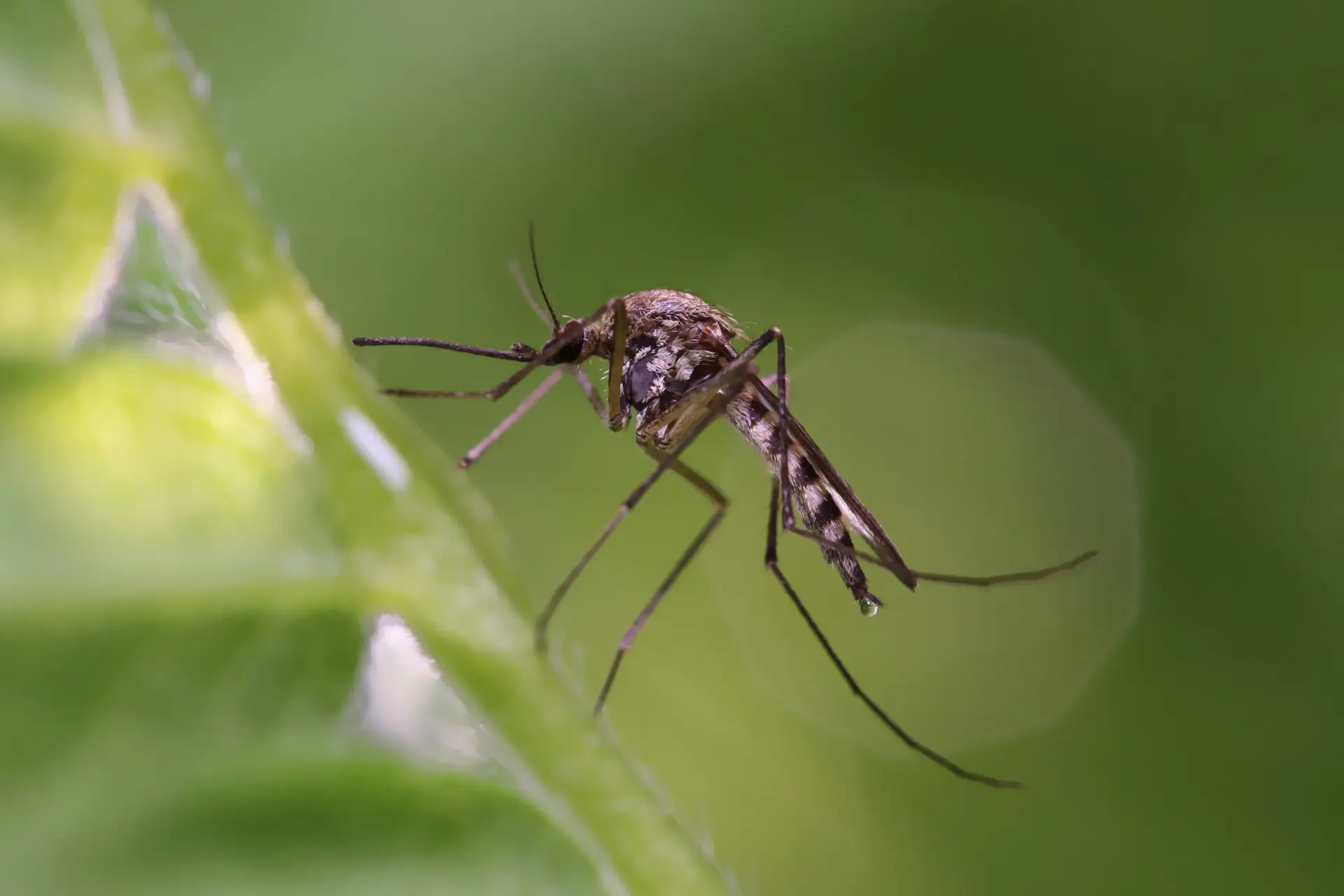
Mosquito guard treatments target common mosquito resting and breeding areas to reduce activity.

Mosquito guard significantly reduces mosquito populations but cannot eliminate them entirely.

Mosquito guard is typically applied on a recurring schedule during mosquito season.

Flea and tick treatments reduce pests that can affect pets and people outdoors.

Treatments are focused on grass, shaded areas, and high-activity zones.

Flea and tick protection typically lasts several weeks.

Landscape lighting can highlight walkways, trees, and key features around your property.

Most landscape lighting systems use low-voltage or LED fixtures.

Yes, landscape lighting improves visibility and helps reduce trip hazards at night.

Mulch helps retain moisture, regulate soil temperature, and reduce weed growth.

Mulch is typically refreshed once or twice per year depending on weather and breakdown.

Yes, mulch gradually breaks down and adds organic material to the soil.

Professional tree planting helps ensure proper depth, spacing, and placement for long-term success.

Tree selection depends on soil conditions, sun exposure, and available space on your property.

Most trees take one to two growing seasons to establish strong roots.

Drainage prevents standing water that can damage grass, plants, and soil structure.

Signs of drainage problems include pooling water, soggy soil, and erosion.

Yes, drainage solutions are often designed to blend into your landscape.

An irrigation inspection checks for leaks, coverage issues, and system efficiency.

Irrigation inspections are recommended at least once per year.

Yes, inspections identify issues that lead to wasted water and uneven watering.

Irrigation installation is designed around your lawn layout, plant needs, and watering zones.

Irrigation installation may cause temporary disruption, but the lawn typically recovers quickly.

Yes, irrigation installation provides consistent watering to support healthier growth.

Irrigation repairs are often needed for leaks, broken heads, or uneven watering.

Quick irrigation repairs prevent water waste and reduce stress on grass and plants.

Yes, irrigation maintenance helps prevent bigger failures and improves efficiency.

Irrigation upgrades are recommended when systems are outdated or watering is inconsistent.

Irrigation upgrades improve efficiency, coverage, and overall control.

Yes, most irrigation upgrades can be added to existing sprinkler systems, depending on system condition.

Heavy rain events can deposit additional debris and wash mulch out of beds between seasons. If a major storm hits soon after cleanup, a targeted follow-up may be recommended. Standard scheduling is timed to address expected seasonal conditions with flexibility for weather events.

Most warm-season grasses benefit from a full cutback in late winter or early spring. Cool-season grasses require different timing. The timing depends on what’s planted in each bed, and each species is handled on the schedule that suits it.

Mulching is handled separately, though the two services are often paired. Many Springfield homeowners schedule fresh mulch right after spring cleanup while beds are freshly reset.

Spring cleanup timing accounts for Springfield’s typical frost patterns. If an unusual late frost does follow, established plantings are generally more resilient with debris cleared from their crowns. Frost-sensitive new plantings are scheduled after the risk window passes.

Yes. Cleanup covers fence lines, hardscape edges, and corners where debris collects across the property. The goal is for your entire property to look reset.

Beds over shallow rock are built up with brought-in soil that gives roots adequate depth. The design accommodates the rock layer and preserves natural drainage patterns.

Native shrubs and shade-tolerant perennials that evolved under the Missouri hardwood canopy perform well in low light. Deep shade from evergreens calls for different species than the filtered light under deciduous trees.

Bed placement and shape follow the property’s contours, with extra measures to hold soil on sloped sections. Mulch type and depth are adjusted for steeper areas.

Both work well. Spring gives a full growing season for root establishment. Fall takes advantage of cooler air and warm soil with less heat stress.

Professional installation starts with grading, soil preparation, and drainage. Proper spacing and species selection based on measured conditions produce beds that improve over time.

Yes. Grading adjustments can redirect water away from the foundation. Retaining walls or strategic bed placement protect the usable parts of the yard at the same time. On hilly Springfield yards, drainage planning is often one of the most valuable parts of the project.

It starts with sun exposure and soil conditions, plus how well the lot drains. From there, plant selections are matched to what your lot presents. The goal is a planting plan that thrives on your property with reasonable maintenance.

Design lays out beds, hardscape features, walkways, lighting zones, and major planting areas against the property as a whole. That keeps decisions from being made in isolation and helps the finished landscape feel like one intentional space.

Fall planting gives root systems a head start before summer heat, and cooler temperatures are easier on new installations. Hardscape work runs well into late fall, too. Starting the planning conversation in summer or early fall gives you the best position for installation.

Scope sets the pace more than anything else. Some properties only need a straightforward installation once the design is settled. Others need prep work first, especially when grading or construction is part of the job. You’ll know the expected order of work ahead of time.

Springfield’s spring warmup usually allows cleanup work to begin in late March. The exact timing shifts with weather patterns each year, but most properties are ready for bed work and initial mulching by early April.

Yes, significantly. Plants that are regularly monitored and properly mulched face less stress and last longer. Catching declining health early means corrective action happens before the problem requires replacement.

Bed care is the ongoing weeding and monitoring through the growing season, plus debris removal. Seasonal cleanups are the more intensive resets in spring and fall that prepare the landscape for the next major phase of the year.

Yes. Many homeowners begin with a core set of maintenance services and add flower rotations, additional cleanup visits, or expanded bed care once they see how their property responds.

That gets decided during the walk-through. The team studies what’s growing well and where beds keep slipping, then figures out which parts of the lot take the most seasonal punishment. Your plan is shaped around the work that will make a difference on your property.

In many cases, yes. Regular care reduces weed competition and maintains mulch coverage while catching stress early. If a plant keeps struggling despite good care, the team can recommend replacements better suited to the site.

Bed care handles the ongoing upkeep through the growing season. Seasonal cleanups come at the major turning points of the year and clear the deck for the next stretch. One is steady attention. The other is a broader reset.

Yes. If a plant keeps struggling despite good care, the team can recommend a species better suited to your site conditions. That kind of informed swap is one of the long-term benefits of regular professional monitoring.

That depends on the season and how your beds are doing. In the fastest-growing part of the year, visits usually come closer together. The initial consultation sets the pace, and it can be adjusted if conditions demand it.

Yes, and that’s the main value. Seasonal cleanups give the landscape its big reset moments, but bed care is what keeps the beds from slowly unraveling afterward. You end up with a property that stays tidy and healthy through the season.

Spring installations usually begin in mid-to-late April, depending on frost timing. Cool-season annuals can go in earlier, while heat-loving varieties wait until overnight temperatures stay reliably warm.

Flowering annuals do attract pollinators, which is generally a benefit for landscape health. Plant selection can lean toward or away from high-pollinator varieties depending on preference and the bed’s proximity to outdoor living areas.

Many properties pair seasonal flower rotations with bed care, mulch installation, and seasonal cleanups. Coordinating those services means the timing and transitions are handled together.

Yes. The flower plan can shift from one rotation to the next. If you want softer spring color and a bolder summer mix, that can be built into the schedule as long as the varieties still suit Springfield’s heat and conditions.

Spring flowers usually hold until the summer switch. After that, the summer planting carries the display through the hottest stretch and often stays attractive well into fall. Rotations are timed with flower choices aimed at lasting performance.